
How to Keep Mold Out of Your Boat in Humid Climates
How to Keep Mold Out of Your Boat in Humid Climates
Heartland Storage
August 5th, 2026
TL;DR
Mold grows when moisture becomes trapped inside a boat. The best prevention is to clean and completely dry the boat before storage, remove wet gear, open storage compartments, improve airflow, repair leaks, and use moisture-control products correctly.
Pay special attention to seats, carpet, life jackets, covers, cabin cushions, bilge areas, coolers, ropes, and enclosed compartments. Even a boat stored indoors can develop mold if it is put away damp or sealed too tightly.
Heartland RV & Marine Storage provides fully enclosed, dry boat storage in Louisburg, Kansas, for boat owners throughout Miami County, Johnson County, Cass County, and the Kansas City area. The units are not climate-controlled, so proper boat preparation remains important.
Boat owners spend a great deal of time protecting engines, batteries, trailers, and exterior finishes. However, one of the most frustrating storage problems often develops inside the boat.
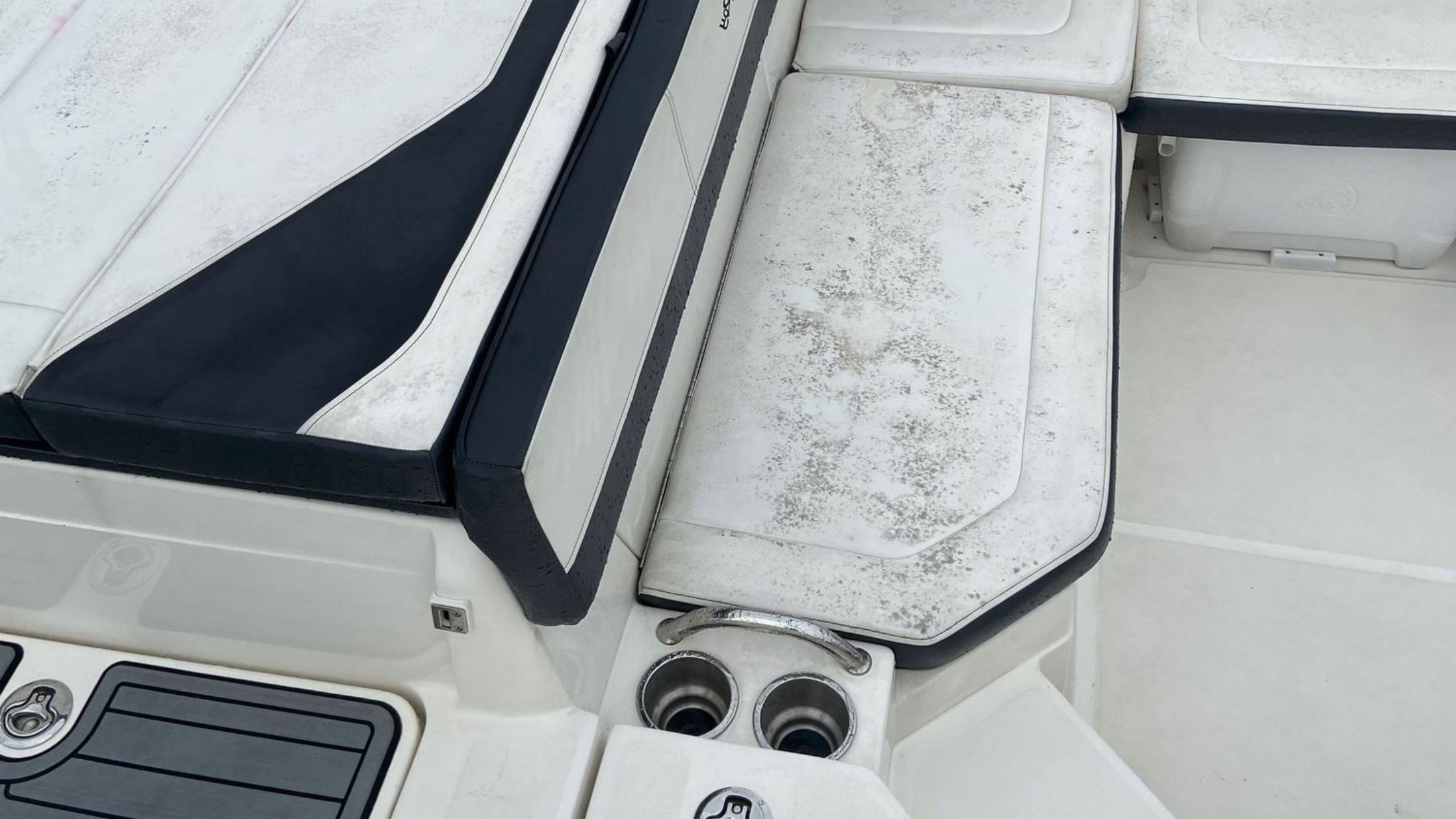
Mold and mildew can appear on vinyl seats, carpet, cabin cushions, life jackets, canvas covers, storage compartments, and other surfaces when moisture remains trapped for an extended period.
Kansas may not feel like a coastal climate, but warm summers, humid air, rain, lake water, and rapid temperature changes can create favorable conditions for condensation and mold growth.
Whether you own a fishing boat, pontoon, ski boat, wake boat, bass boat, deck boat, personal watercraft, or cabin cruiser, preventing mold starts before the boat enters storage.
Why Does Mold Grow Inside Boats?
Mold spores exist naturally in the environment. They become a problem when they land on a damp surface and have enough moisture to grow.
The Environmental Protection Agency explains that moisture control is the key to mold control. Wet materials should be dried promptly, ideally within 24 to 48 hours, and humidity should be kept below 60 percent when possible.
Boats contain many materials that can hold water or support mold, including:
- Carpet
- Foam cushions
- Vinyl seats
- Fabric covers
- Wood
- Canvas
- Paper products
- Dust, dirt, food residue, and organic debris
A boat may appear dry on the surface while moisture remains beneath a seat cushion, under carpet, inside a storage locker, or beneath a fitted cover.
Common Reasons Boats Develop Mold in Storage
The most common cause is storing the boat before it is completely dry.
A day at Hillsdale Lake, Miola Lake, Lake of the Ozarks, or another regional boating destination may leave water in the bilge, livewell, carpet, cupholders, compartments, and upholstery. If the boat is covered and parked immediately, that moisture may remain trapped.
Mold may also develop because:
- Wet life jackets, towels, ropes, or inflatables were left onboard.
- The fitted cover does not allow enough ventilation.
- Rainwater entered through a damaged cover, hatch, window, or seal.
- Food, fish residue, sunscreen, or dirt remained on surfaces.
- Storage lockers were closed while damp.
- The bilge was not drained or cleaned.
- Condensation formed as temperatures changed.
- Cushions were left flat against damp surfaces.
- Carpet and upholstery were cleaned but not given enough time to dry.
Indoor storage reduces exposure to rain, snow, direct sunlight, wind, and other outdoor conditions. However, enclosed storage cannot remove moisture that is already inside the boat. Heartland’s units are enclosed and dry but are not climate-controlled.
Clean the Boat Before Storage
Dirt and organic residue give mold more material to grow on.
Before placing the boat in storage, remove trash, food, bait, fish residue, mud, leaves, and lake debris. Clean the flooring, seats, cupholders, livewells, coolers, compartments, and hard surfaces using products approved for the boat’s materials.
Pay special attention to areas that may contain:
- Fish slime or bait residue
- Sunscreen and body oils
- Food crumbs
- Spilled drinks
- Mud and plant material
- Damp towels
- Pet hair
- Dust and pollen
Allow every cleaned surface to dry completely. Do not clean the carpet or upholstery immediately before closing the boat up for long-term storage unless there is enough time and airflow for full drying.
Remove Wet and Moisture-Holding Items in a Boat
Anything that can be removed should be dried outside the boat.
Take out:
- Life jackets
- Towels
- Swimsuits
- Boat blankets
- Removable cushions
- Ropes
- Inflatable toys
- Wet shoes
- Fishing nets
- Cleaning rags
- Portable coolers
- Fabric storage bags
Life jackets and cushions may feel dry on the outside while foam inside them still holds moisture.
Dry these items in a well-ventilated space before returning them to the boat. For long-term storage, some owners may prefer to keep removable fabric items in a separate dry area.
Drain Water From the Boat
Check every location where water may collect.
Depending on the type of boat, this may include:
- The bilge
- Livewells
- Ballast tanks
- Coolers
- Fish boxes
- Sinks
- Showers
- Water tanks
- Cupholders
- Storage compartments
- Drain channels
- Personal watercraft footwells
Make sure drain plugs and systems are handled according to the boat manufacturer’s storage instructions.
A small amount of standing water can keep the surrounding air damp and create an ongoing moisture source.
Improve Airflow Inside the Boat
After the boat is clean and dry, create room for air to move.
Open interior storage lockers, glove compartments, cabinets, and access panels when it is safe to do so. Raise removable seat cushions or place them on edge so air can circulate around both sides.
For boats with cabins, open interior doors and lift mattress or berth cushions away from solid surfaces.
Air movement can help reduce condensation and prevent isolated damp areas. The EPA notes that reducing humidity and increasing ventilation can help prevent condensation and mold growth.
Use the Right Boat Cover
A boat cover should keep dirt and water out without trapping excessive moisture inside.
A tightly sealed plastic tarp may prevent airflow and create condensation. It can also rub against upholstery, gelcoat, paint, or windshields.
Choose a properly fitted marine cover designed for the boat. The cover should:
- Be clean and dry before installation.
- Shed water rather than allowing it to pool.
- Be supported so it does not sag.
- Include appropriate ventilation.
- Fit securely without rubbing against delicate surfaces.
- Be inspected periodically for tears or loose areas.
When storing inside an enclosed unit, a lightweight breathable cover may be enough to protect the boat from dust. The correct choice depends on the boat, storage conditions, and manufacturer recommendations.
Can Moisture Absorbers Help?
Moisture absorbers may help manage minor humidity inside enclosed compartments or cabins.
They can be useful in:
- Cabin cruisers
- Cuddy cabins
- Pontoon storage compartments
- Enclosed consoles
- Changing rooms
- Lockers
- Under-seat compartments
However, moisture absorbers cannot compensate for wet carpet, standing water, active leaks, or a soaked boat cover.
Some products collect liquid as they absorb moisture. They should be placed where they cannot spill, tip over, or damage surfaces.
A humidity monitor can also help boat owners understand whether moisture remains elevated inside a cabin or enclosed compartment.
Should You Use a Fan or Dehumidifier in a Storage Unit?
A small fan may help improve airflow when it is approved for unattended use and safely connected.
A dehumidifier can reduce moisture in some enclosed spaces, but it requires dependable power, safe drainage, and regular monitoring. It should not be placed where water could reach electrical equipment or where it conflicts with facility rules.
Heartland provides power inside each storage bay, which can be helpful for approved battery maintenance and other boat-care needs. Owners should still ask management before leaving a fan, charger, dehumidifier, or other electrical device operating unattended.
Check for Leaks and Failed Seals
Mold often returns because the moisture source was never corrected.
Inspect:
- Hatches
- Windows
- Windshields
- Cabin doors
- Rub rails
- Deck hardware
- Covers
- Seams
- Drain lines
- Plumbing connections
- Livewell hoses
- Bilge pumps
- Through-hull fittings
Look for water stains, soft surfaces, musty odors, cracked sealant, or damp carpet.
Leaks should be repaired before long-term storage. Cleaning mold without correcting the water source usually provides only a temporary improvement.
Different Boats Have Different Mold Risks
Pontoon Boats
Pontoon boats contain extensive seating, carpet or woven flooring, storage compartments, and large covers.
Water may remain beneath seats or inside foam cushions. Clean and dry the seating thoroughly, open compartments, and make sure the mooring or storage cover allows ventilation.
Bass and Fishing Boats
Fishing boats may contain livewells, bait residue, carpet, fishing nets, and enclosed tackle compartments.
Drain and clean livewells, remove bait and food, dry the carpet, and leave compartments open when possible.
Wake and Ski Boats
Wake boats often have ballast tanks, extensive upholstery, carpet, board storage, and wet ropes.
Drain ballast systems according to the manufacturer’s instructions and remove wet ropes, life jackets, and sports equipment.
Cabin Cruisers and Cuddy Cabins
Enclosed cabins can trap humidity around mattresses, curtains, upholstered seating, cabinets, and galley areas.
Remove food, clean the refrigerator, open cabinet doors, raise cushions, and use appropriate ventilation or moisture-control products.
Personal Watercraft
Jet skis and other personal watercraft may hold water in footwells, storage compartments, seats, and engine areas.
Drain and dry them thoroughly, clean the seat and storage areas, and follow the manufacturer’s engine and fuel-storage guidance.
Does Indoor Boat Storage Prevent Mold?
Indoor storage reduces the boat’s exposure to rain, snow, sun, hail, falling debris, and repeated outdoor temperature extremes. It also reduces the chance of a damaged outdoor cover allowing water into the boat.
However, indoor storage does not guarantee that mold will never develop.
A damp boat sealed inside a dry building can still mold. The moisture may come from the boat itself rather than from the storage facility.
Heartland RV & Marine Storage offers fully enclosed dry storage for boats, RVs, vehicles, and trailers. The facility also provides wide driving lanes, gated access, 24-hour customer access, and storage units designed for larger boats and recreational vehicles.
How Often Should You Check a Stored Boat?
Inspect the boat periodically rather than leaving it untouched throughout the off-season.
During each visit, check for:
- Musty odors
- Damp cushions
- Condensation
- Water inside compartments
- Cover damage
- Mold spots
- Pest activity
- Battery condition
- Leaks
- Rust or corrosion
- Flat trailer tires
Early action can prevent a small moisture problem from spreading throughout the boat.
What Should You Do if You Find Mold?
First, identify where the moisture is coming from.
Remove damp items, improve ventilation, and repair leaks before cleaning. Use cleaning products that are appropriate for marine vinyl, fabric, carpet, wood, and other affected materials.
Avoid mixing cleaning chemicals. Test products on a small area before applying them broadly.If mold covers a large area, has entered foam or structural materials, keeps returning, or may create a health concern, consider contacting a professional boat detailer or mold-remediation specialist.
The EPA recommends cleaning mold promptly and correcting the moisture problem that allowed it to grow.
Frequently Asked Questions
Can a boat develop mold during winter storage?
Yes. Mold can grow whenever moisture remains present, even during cooler weather.
Temperature changes can also create condensation inside compartments, beneath covers, and against cold surfaces.
Should I leave boat compartments open?
Leaving clean, dry compartments open can improve airflow. Make sure doors and lids are positioned safely and cannot fall, become damaged, or create a hazard.
Should I cover my boat inside an enclosed storage unit?
A breathable cover can help protect against dust. Avoid sealing a damp boat beneath a non-breathable cover.
Can I leave life jackets on the boat?
Only after they are completely dry. Wet or slightly damp life jackets are a common source of mildew odors and mold.
Does carpet need to be completely dry?
Yes. Boat carpet can hold moisture beneath the surface even when the top feels dry.
Give carpet enough ventilation and drying time before placing the boat into storage.
Can I leave the refrigerator closed?
No food should remain inside. Clean and dry the refrigerator and leave the door slightly open when safe and recommended by the manufacturer.
Are mold and mildew the same thing?
Mildew is a term commonly used for certain surface mold growth. Both indicate excess moisture and should be addressed promptly.
Will indoor storage eliminate humidity?
Not necessarily. Heartland offers enclosed dry storage, not climate-controlled storage. Indoor storage protects against direct weather, but seasonal temperatures and humidity can still change.
Can I use household bleach on boat seats?
Bleach may discolor or damage some marine materials and stitching. Follow the boat and upholstery manufacturer’s cleaning recommendations and use products approved for the surface.
Should I winterize the boat even when it is stored indoors?
Indoor storage does not automatically protect plumbing, engine, or water systems from freezing temperatures. Follow the manufacturer’s winterization instructions or work with a qualified marine technician.
Indoor Boat Storage Near Louisburg and Kansas City
Heartland RV & Marine Storage is located in Louisburg in Miami County, just south of Johnson County.
The facility serves boat owners from:
- Louisburg
- Paola
- Spring Hill
- Overland Park
- Leawood
- Olathe
- Stilwell
- Gardner
- Osawatomie
- La Cygne
- Harrisonville
- Drexel
- Johnson County
- Miami County
- Cass County
- The greater Kansas City metro
It is conveniently located near Hillsdale Lake, Louisburg Middle Creek Lake, and Miola Lake.
Keep Your Boat Clean, Dry, and Ready for the Water
The best way to prevent mold is to remove the conditions that allow it to grow.
Clean the boat, drain all water, dry carpet and upholstery, remove wet gear, improve airflow, and repair leaks before placing the boat into storage.
Enclosed storage adds another valuable layer of protection by keeping the boat out of direct rain, snow, hail, sunlight, and Kansas wind.
Heartland RV & Marine Storage provides fully enclosed boat storage in Louisburg with private units, wide driving lanes, controlled access, power inside each bay, and 24-hour tenant access.
Contact Heartland RV & Marine Storage to ask about available unit sizes and enclosed storage for your fishing boat, pontoon, ski boat, wake boat, bass boat, personal watercraft, trailer, or other recreational vehicle.
Heartland RV & Marine Storage: Your Kansas City Storage Solution
When considering storage solutions for your RV or boat near Overland Park, KS, there's no need to look any further than Heartland RV & Marine Storage in Louisburg, KS. Whether you're planning your next cross-country adventure or prepping for the open waters, Heartland provides the best storage services to ensure your RV or boat is always ready for action. Embrace the superior protection, outstanding security, and luxurious amenities—at an affordable price. Visit Heartland RV & Marine Storage today and discover why it's the top choice for discerning RV and boat owners in Kansas City. Start storing with confidence and enjoy the peace of mind that comes with knowing your recreational vehicles are in the best hands. Heartland RV & Marine Storage, experience storage excellence redefined.
Storage conditions and boat-care requirements vary. Always follow the boat, engine, battery, plumbing, and cover manufacturers’ recommendations. Enclosed dry storage reduces weather exposure but does not guarantee against mold, mildew, condensation, freezing, corrosion, pests, or other damage.